Written specifications
Every product is bought against a written specification agreed by processor, buyer and importer.
Japan–U.S. Import & Distribution · Mountain View, California
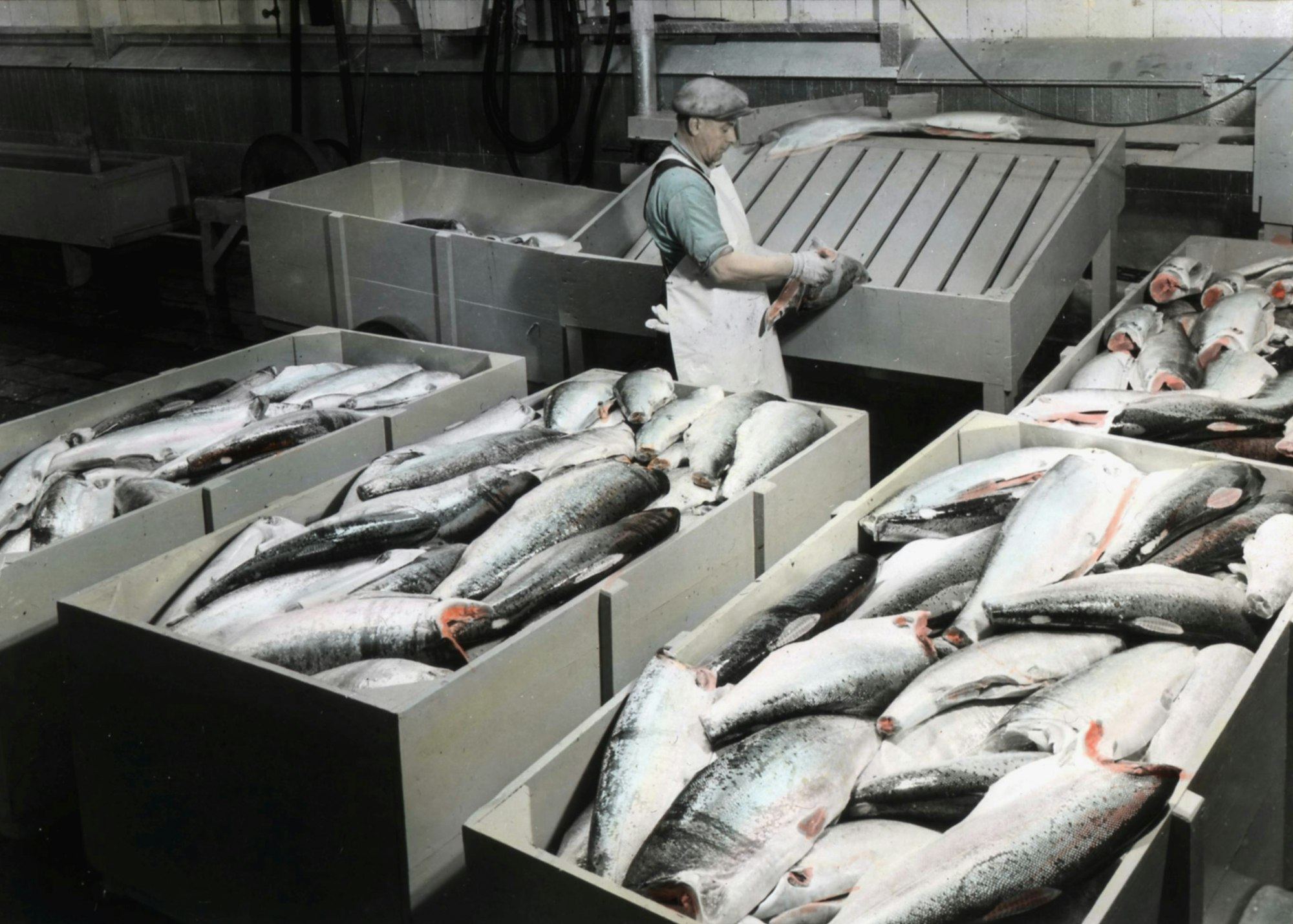
U.S. supermarket chains hold seafood suppliers to the strictest standards in the market. Our import processes, first proven with FDA-regulated cosmetics, are designed to meet those standards from the processor’s plant to the customer’s receiving dock.
Compliance is built into how we select suppliers, write specifications and move product, not added at the port.
Every product is bought against a written specification agreed by processor, buyer and importer.
Processors are reviewed for HACCP controls, U.S.-export certification and FDA registration before the first order.
One traceability lot code follows product from the plant to the customer, with records ready on request.
Temperature data from container, storage and delivery is kept with each lot.
As importer of record, TOP TAILOR is responsible to U.S. regulators and to our customers for each of the requirements below.
We keep written product specifications and affirmative steps for each processor and product, such as reviewing the processor’s HACCP plan and certificates from Japan’s competent authority for fishery products exported to the U.S.
Each Japanese processor’s FDA food facility registration is confirmed before ordering, and prior notice is submitted for every shipment before it arrives.
Finfish are on FDA’s Food Traceability List. We record key data elements for receiving and shipping events, tied to the processor’s traceability lot code, and can provide them as a sortable spreadsheet on request.
Seafood imported in compliance with the Seafood HACCP regulation is exempt from FSVP; our HACCP importer verification is maintained instead and documented for buyers.
Fish sold at retail must show country of origin and wild or farm-raised method. We provide this information on cartons and invoices and keep supporting records.
Labels use FDA-acceptable market names for each species, declare fish as a major food allergen and show net weight in U.S. and metric units.
Entries are filed through a licensed customs broker, with correct tariff classification and “Product of Japan” marking on every carton.
Reefer temperature recorders, 3PL storage logs and delivery records are kept with each lot and shared with customers on request.
We complete each customer’s supplier onboarding, specification and documentation requirements before the first delivery.
The traceability lot code is assigned at the processor and recorded at every step, so any carton can be traced back to its production lot within hours.
Japanese processors joining our program are reviewed against the checklist below. Most export-ready plants already hold these documents.

Our consumer goods division has met U.S. requirements for Japanese cosmetics and licensed merchandise for years. The same discipline now applies to food.
Registration and product listing obligations under the Modernization of Cosmetics Regulation Act are confirmed for each product we import.
English labeling with ingredient declaration, net contents in U.S. and metric units, and the name and place of business of the U.S. distributor.
Products and marketing claims are reviewed so that cosmetics are not sold with drug claims in the U.S. market.
Character goods are sourced only from Japanese manufacturers producing under license from the rights holders.
Products intended for children are reviewed against U.S. consumer product safety requirements before import.
Supermarket vendor requirements and Amazon listing and packaging standards are met for each product.
Supplier onboarding forms, product specifications, HACCP verification summaries and traceability samples are available to qualified buyers.
See the full onboarding process and the documents we ask processors to prepare.